Q-TRADE
Standalone HEPA & ULPA Filter Integrity & Leak Testing
Specialized aerosol challenge scanning (PAO/DOP) for terminal HEPA and ULPA filtration systems, ensuring absolute barrier protection, zero bypass leaks, and full regulatory compliance across critical clean environments.
Request Filter Testing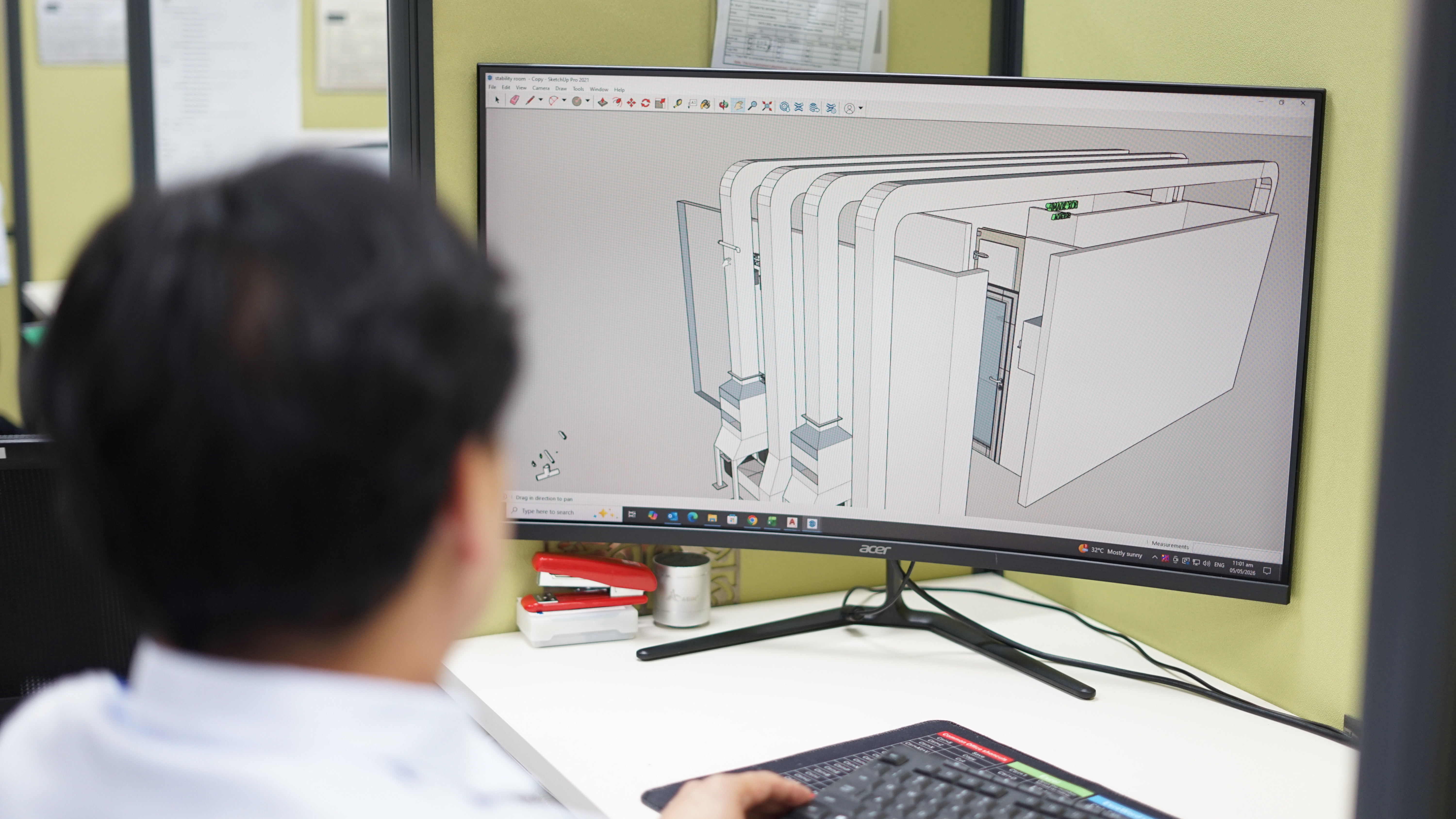
Verifying Absolute Filtration Protection for Critical Environments
Even the smallest pinhole leak or housing bypass in a high-efficiency particulate air (HEPA) or ultra-low particulate air (ULPA) filtration system can compromise an entire sterile suite, critical containment lab, or manufacturing process. We provide specialized, standalone filter integrity testing using state-of-the-art photometers and aerosol generators. Whether you need routine recertification, point-in-time validation for new installations, or pre-audit verification, our certified technicians ensure that your filters and containment frames maintain complete structural integrity under real-world operating conditions.
Comprehensive Aerosol Challenge Testing, Scanning & Diagnostic Capabilities
-
Primary Filter Testing Methodologies & Scanning
-
Aerosol Challenge Generation (PAO / DOP)
Introduce high-purity polyalphaolefin (PAO) or compliant challenge aerosols upstream of the filtration bank to establish uniform challenge concentrations.
-
Upstream Concentration Verification
Measure and verify challenge aerosol concentration directly upstream of the filter face to ensure proper upstream distribution before scanning.
-
Downstream Photometric Scanning
Systematically scan the entire filter face, gasket interfaces, support framing, and mounting grid using a photometer probe held no more than 2 inches from the media surface.
-
Leak Detection & Localization
Instantly identify downstream penetrations exceeding allowable standards (typically 0.01% of upstream concentration), isolating pinhole leaks, media tears, or faulty seals.
-
-
Advanced Housing, Gasket & Assembly Support
-
In-Situ Housing & Gasket Seal Inspection
Test mechanical clamping mechanisms, gel seals, and perimeter gaskets to eliminate bypass leaks around the housing frame.
-
Remedial Sealing & Spot Repair Support
Perform minor approved remediation (such as gasket adjustments or compliant sealant applications on minor frame gaps) followed by immediate re-testing.
-
Multi-Stage & Containment Bank Profiling
Test complex multi-stage filtration assemblies, including terminal modules, bag-in/bag-out (BIBO) housings, and critical exhaust setups.
-
Replacement Consultation & Tracking
Identify compromised or end-of-life filter elements that cannot be repaired, providing clear data to support immediate replacement scheduling.
-
Due for routine HEPA filter recertification or commissioning new air handling units?
Ensure absolute containment and protect your critical processes from particulate contamination with our certified scan reports.
Schedule a Filter Integrity TestOur Pressure Calibration Process
A Rigorous Step-by-Step Metrology Protocol
-
Phase 1
System Review & Pre-Test Preparation
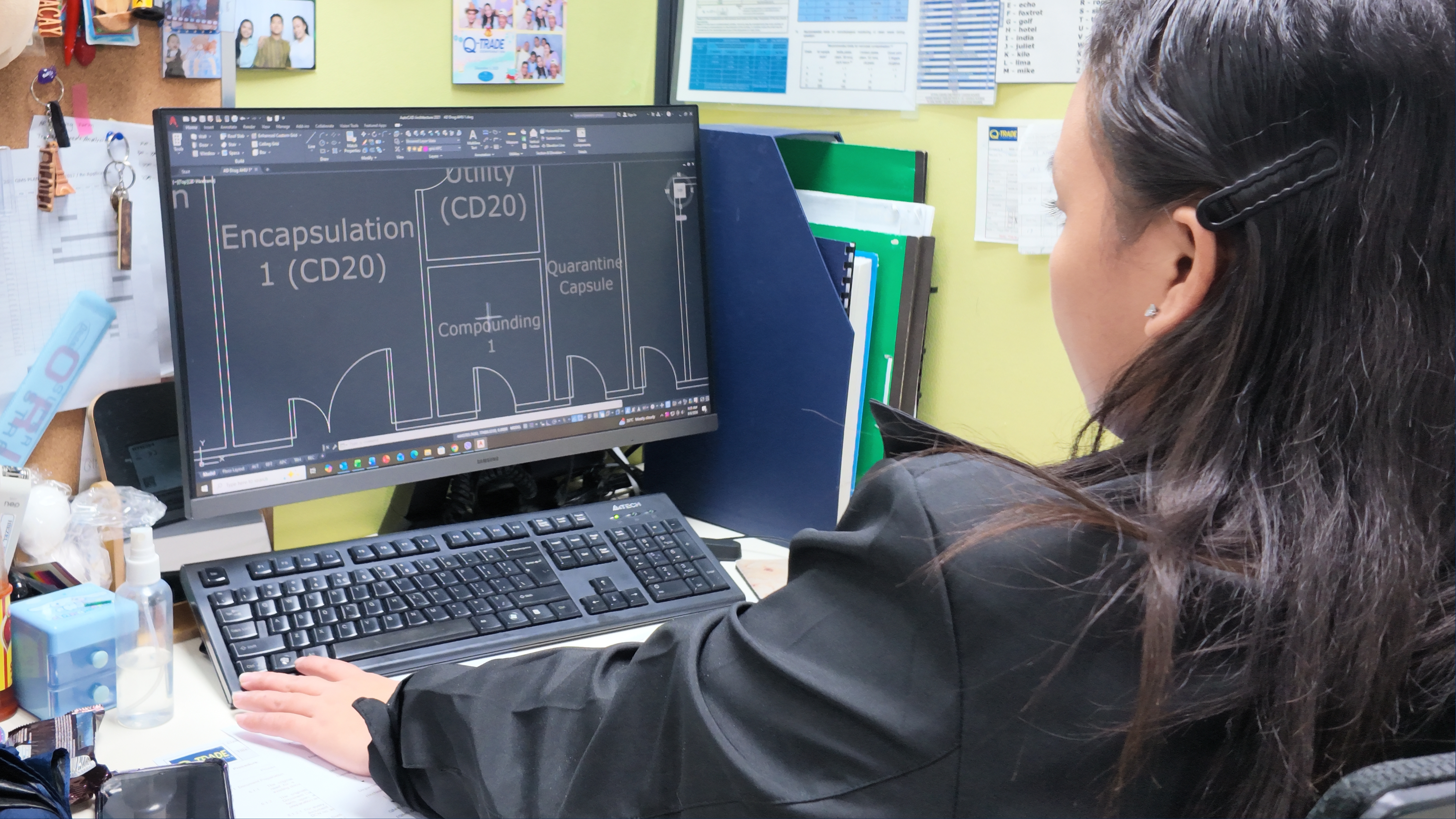
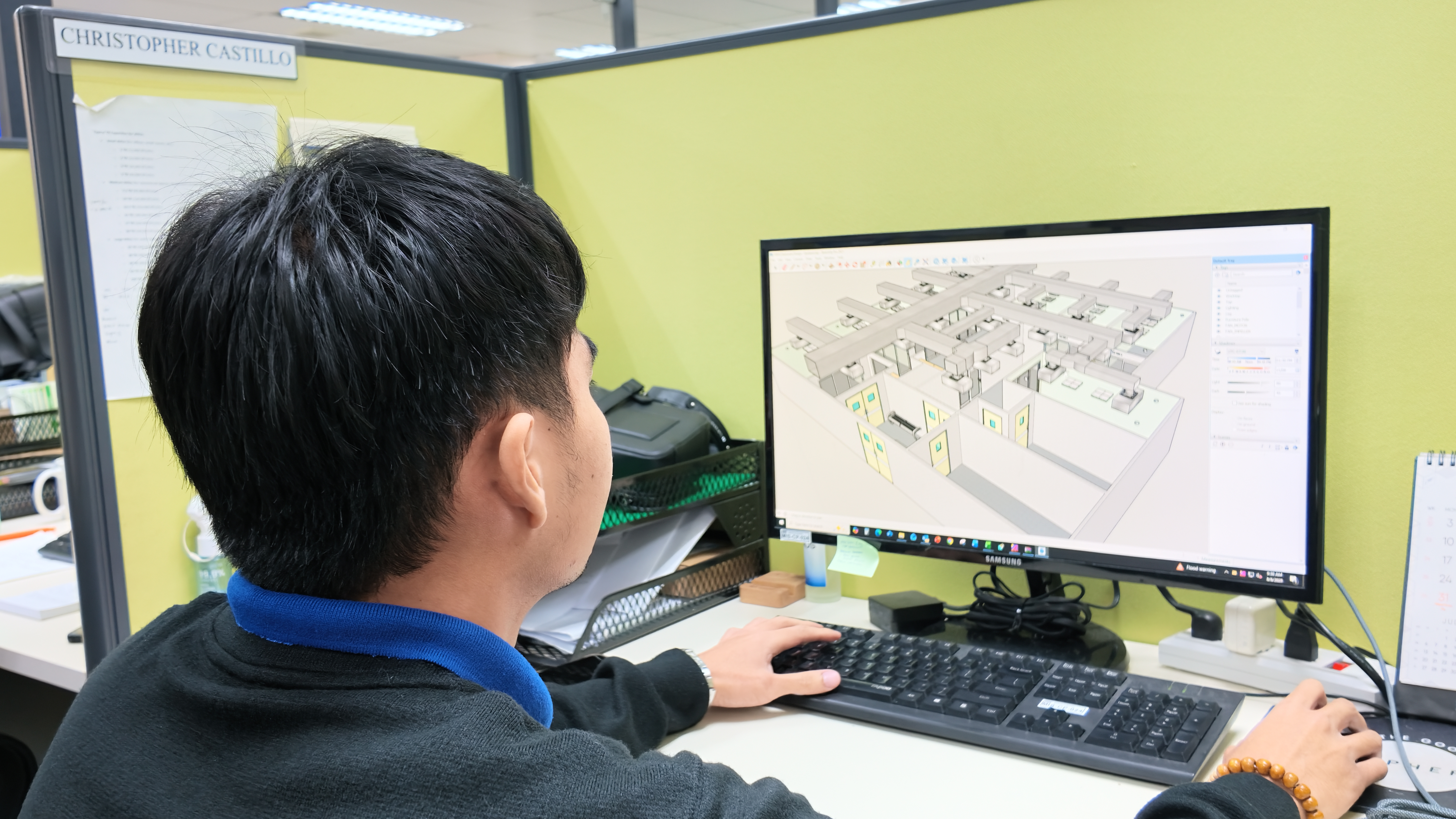
Analyzing mechanical drawings, air handling unit (AHU) layouts, and filter sizing specifications to determine total aerosol volume requirements.
-
Phase 2
Introduction of Challenge Aerosol
Safely injecting the aerosol into the airstream upstream of the filters while maintaining safe operational parameters for the facility.
-
Phase 3
Scanning & Data Collection
Executing meticulous manual scans across all filter faces and housing perimeters using NIST-traceable photometers.
-
Phase 4
Certified Engineering Report Handover
Delivering an audit-ready compliance report detailing filter efficiencies, leak locations (if any), seal conditions, and instrument calibration logs.
Frequently Ask Questions
-
What standards do you follow for filter integrity testing?
Our testing procedures comply with ISO 14644-3, IEST-RP-CC0034 (HEPA/ULPA Filter Leak Tests), and cGMP containment guidelines.
-
What is the difference between PAO and DOP?
DOP (dioctyl phthalate) was the traditional aerosol used for testing, but modern facilities exclusively use PAO (polyalphaolefin), a safe, synthetic, non-carcinogenic oil that delivers identical challenge properties.
-
What constitutes a “failing” filter leak?
Under industry standards, any downstream reading that exceeds 0.01% of the upstream challenge concentration during a scan is classified as a leak requiring remediation or replacement.
-
What documentation is provided upon completion?
You receive a comprehensive validation report featuring individual filter test results, diagrams or serial number tracking maps, instrument calibration numbers, and formal certificates of compliance.
Validate Your Critical Filtration Systems Today
Contact our testing team to schedule standalone filter integrity scans or integrate them into your broader facility validation schedule.
Request Filter Testing Support